The Obesity Research Center and the Department of Obstetrics and Gynecology at the College of Medicine at King Saud University discover protein differences in obesity-associated endometrial cancer.
Written by: Nayef Al Fahid
A recent scientific study issued by the University Obesity Research Center, in collaboration with the Department of Obstetrics and Gynecology at the College of Medicine at King Saud University, revealed fundamental differences in the protein composition of endometrial cancer in patients with obesity compared to non-obese patients. This sheds light on molecular mechanisms that may explain the impact of obesity on tumor behavior and its progression. The study was published in an international scientific journal titled: “Proteomic profiling of endometrial cancer tissues reveals differential expression of proteomes in obese versus non-obese patients,” with the participation of a research team from the Proteomics Laboratory at the University Obesity Research Center, supervised by Prof. Dr. Asim bin Abdulaziz Al-Fadda, and with contributions from researchers Dr. Hisham Binabdulkamil and Dr. Afshan Masoud. From the Department of Obstetrics and Gynecology, participants included Prof. Dr. Khalid Akour, Dr. Hani Al-Hallal, Dr. Ali Bassi, and Dr. Iman Al-Shahri.
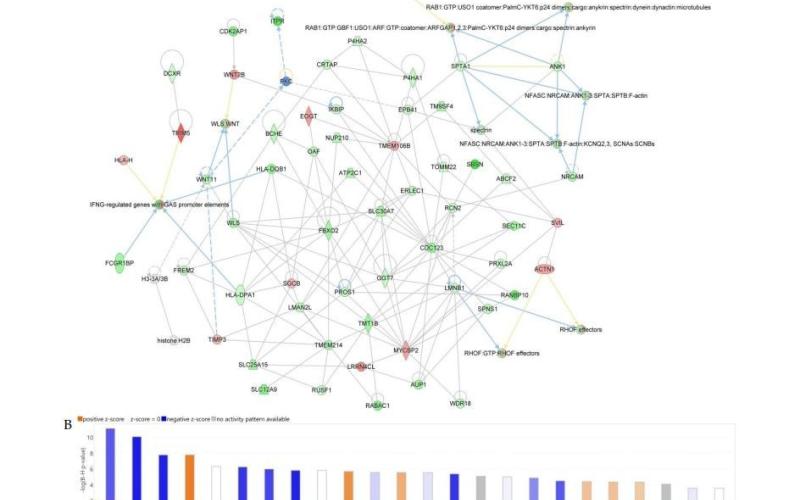
The study relied on advanced protein analysis techniques using mass spectrometry and analyzed tumor tissue samples from patients who underwent surgical resection, divided into two groups according to body mass index. The results showed the identification of more than (6,300) proteins within tumor tissues, with (456) proteins showing significant differences between the two groups. This indicates that obesity not only increases the risk of developing the disease but also affects its biological nature and disease pathways. Obesity was found to be associated with changes in important immune and metabolic pathways, in addition to activating molecular pathways known for their role in promoting cancer cell growth and spread. The researchers also identified a number of candidate proteins as promising biomarkers, with high ability to distinguish between obesity-associated and non-obesity-associated cases, contributing to improved molecular classification of patients and more precise treatment decision-making.
The lead researcher, Prof. Dr. Asim Al-Fadda, أكد أن these findings represent an important step toward a deeper understanding of the relationship between obesity and endometrial cancer, especially in light of the increasing rates of obesity locally and globally. He emphasized the importance of conducting broader studies to verify the potential of adopting these proteins as therapeutic targets or future diagnostic biomarkers.
It is worth noting that the study was supported by the National Plan for Science, Technology and Innovation Program at King Abdulaziz City for Science and Technology, as part of efforts to support scientific research and enhance health innovation, in alignment with the objectives of Saudi Vision 2030 in developing the health and research sectors.
To access the research, visit the following link:
https://www.mdpi.com/2073-4409/15/6/498